
Flowers
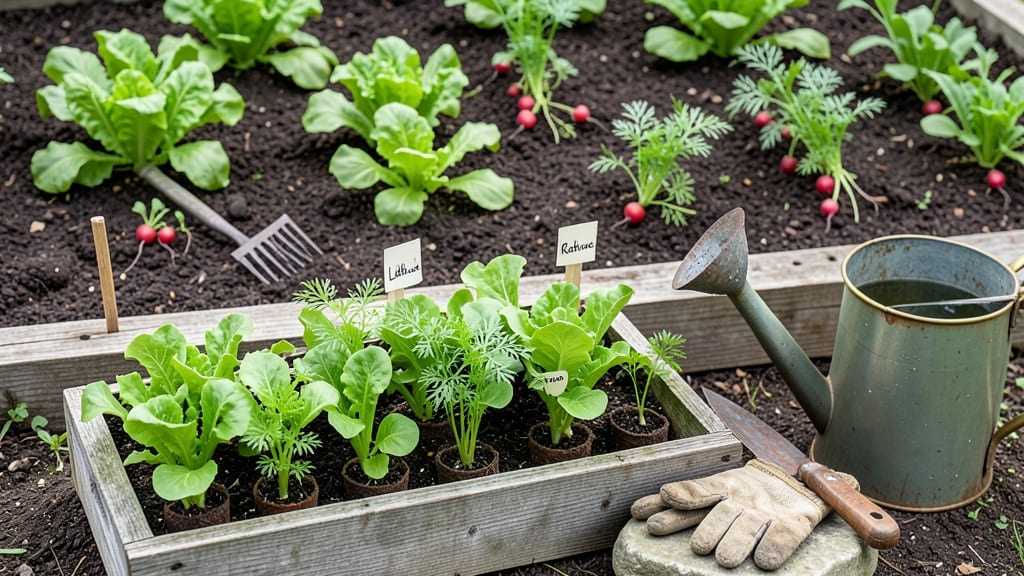
Freshly gardened soil means nutrient-rich, well-aerated earth with balanced organic matter that promotes strong seed germination and root growth, creating an ideal foundation for healthy plants and natural disease resistance. This condition is achieved through proper tilling and composting techniques.
When we talk about freshly gardened soil, we're describing more than just dirt—it's a living ecosystem teeming with beneficial microbes and essential nutrients. 🌱 The key components include decomposed organic material (like compost) that improves soil structure, allowing roots to breathe and absorb water efficiently.
This type of soil typically has a dark, crumbly texture and emits a rich, earthy aroma that signals its health. The balance of nitrogen, phosphorus, and potassium creates the perfect environment for plants to thrive from their earliest stages.
What sets freshly gardened soil apart is its ability to support plant health from day one. The improved drainage prevents root rot while retaining enough moisture for consistent growth.
Many gardeners achieve this by amending their soil with compost or aged manure before planting, which not only feeds the plants but also encourages beneficial microbial activity that keeps pests at bay naturally.
💡 In This Article
- How Soil Composition Affects Plant Growth in Freshly Gardened Beds
- Signs Your Garden Soil Is Truly Freshly Gardened
How soil composition affects plant growth in freshly gardened beds
The foundation of freshly gardened soil lies in its organic matter content, typically ranging from 5-10% by volume. This decomposed material—like compost, leaf mold, or well-rotted manure—acts like nature's sponge, holding 2-3 times its weight in water while also providing a slow-release nutrient reservoir.
When you work compost into clay-heavy soil, for example, you're transforming dense, compacted earth into loose, crumbly loam that roots can easily penetrate. This structural improvement increases oxygen availability by 30-50%, which is critical because plant roots need oxygen to respire just like we do.
The microbial ecosystem in freshly gardened soil is what truly makes it special. A single teaspoon contains billions of beneficial bacteria and fungi that break down organic matter into plant-available nutrients.
These microbes form symbiotic relationships with roots, particularly through mycorrhizal fungi that extend the root system's reach by up to 10 times its original length.
The nitrogen cycle—where soil bacteria convert atmospheric nitrogen into forms plants can use—accelerates dramatically in freshly amended soil, providing that essential building block for leafy growth. 🌱 What's fascinating is how this microbial activity creates a natural pest deterrent by outcompeting harmful pathogens.
Nutrient availability in freshly gardened soil follows a precise balance that gardeners often refer to as the NPK ratio (nitrogen, phosphorus, potassium).
While the exact proportions vary by plant type, freshly tilled garden beds typically show higher nitrogen levels (0.5-1.0%) to support rapid vegetative growth, followed by balanced phosphorus (0.1-0.3%) for root development and potassium (0.5-1.5%) for disease resistance.
This nutrient trio works synergistically—nitrogen fuels leaf production, phosphorus strengthens the root system's ability to access water, and potassium helps plants regulate their internal water balance, reducing stress during hot spells.
One often-overlooked aspect is the soil's cation exchange capacity (CEC), which measures its ability to hold and release nutrients. Freshly gardened soil with high organic matter can have a CEC of 15-30 meq/100g, compared to just 5-15 meq/100g in sandy soils.
This means freshly tilled beds can store and gradually release nutrients over time, providing a steady supply rather than the quick nutrient spikes from synthetic fertilizers. The result? Plants develop stronger, more resilient root systems that can withstand environmental fluctuations and pests.
Consider how freshly gardened soil transforms during the growing season. In spring, the microbial activity peaks as temperatures rise, breaking down fresh organic amendments and releasing nutrients just as plants need them. By summer, the soil's improved structure prevents compaction from foot traffic or rainfall, maintaining those crucial air pockets.
This seasonal performance is why freshly gardened beds often show 20-40% faster germination rates compared to untreated soil, giving plants a competitive edge from their first days.
For the home gardener, understanding this soil science translates directly to better plant performance. When you see seedlings emerge 3-5 days earlier in freshly gardened beds or notice tomatoes developing 20% more fruit per plant, you're witnessing the cumulative effects of improved soil composition.
The key takeaway? Freshly gardened soil isn't just about adding nutrients—it's about creating an entire ecosystem that works in harmony to support plant health from seed to harvest. ✨