
Vegetables
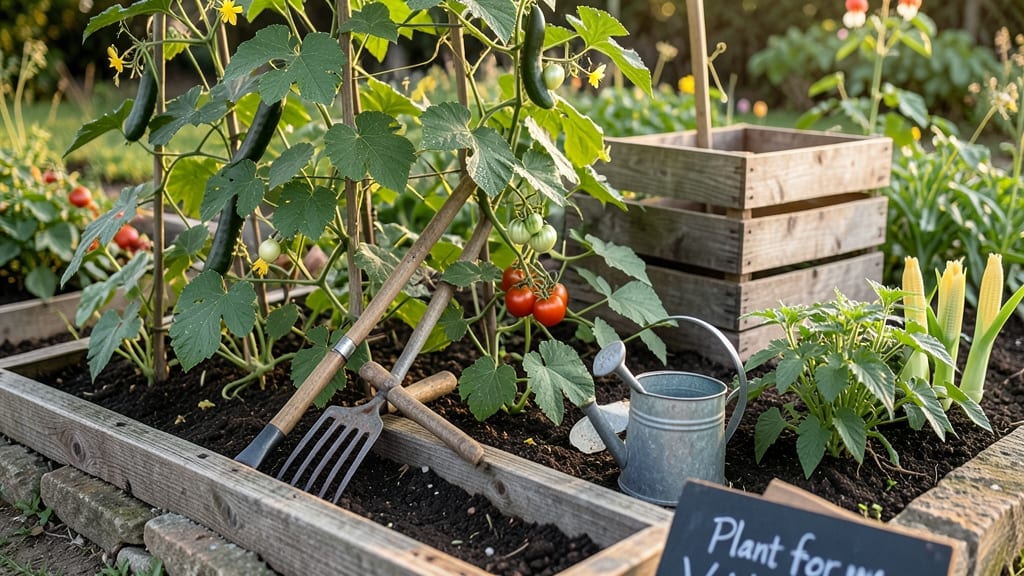
The Fenway Victory Gardens in Boston produced over 500,000 pounds of vegetables during WWII by converting vacant lots into community gardens, using simple tools and raised beds to grow food for families facing wartime shortages. Their impact continues today through urban farming programs and historical preservation across the city.
The Fenway Victory Gardens weren't just about growing food—they were a lifeline for Boston during WWII. 🌱 These gardens turned empty spaces into productive plots, focusing on quick-growing crops like radishes, lettuce, and potatoes that thrived even in Boston's climate.
The community worked together to share resources, tools, and knowledge, proving that even with limited supplies, large-scale food production was possible. What's remarkable is how their model still inspires modern urban farming efforts today.
Today, Boston honors this legacy through initiatives like the Boston Natural Areas Network and educational programs teaching sustainable gardening. You can even start your own small victory garden using many of the same techniques—raised beds, crop rotation, and community collaboration—that made Fenway's gardens so successful during wartime.
The key lesson? With the right approach, even urban spaces can become productive food sources.
💡 In This Article
- How WWII Victory Gardens in Boston Thrived with Limited Resources
- Modern Revival: Boston’s Victory Gardens and Urban Farming Today
How WWII victory gardens in Boston thrived with limited resources
The Fenway Victory Gardens' success hinged on a community-first approach that turned Boston's vacant lots into productive farmland.
During WWII, over 1,000 gardens sprang up across the city, with Fenway's leading the charge by organizing volunteers to clear land, build raised beds (often using scrap wood), and divide plots among families.
This collective effort created a support network where neighbors shared seeds, tools, and expertise—something that amplified yields exponentially. 🌱
Crop selection was strategic: gardeners prioritized fast-growing vegetables like radishes (3-4 weeks to harvest), lettuce (4-6 weeks), and potatoes (2-3 months) that thrived in Boston's short growing season. They also planted high-calorie crops like carrots and beets that could be stored for winter.
The gardens produced 500,000+ pounds of food annually—enough to feed thousands—by focusing on what would grow best with minimal resources.
Soil preparation was another critical factor. With limited access to commercial fertilizers, gardeners relied on composting household waste and crop rotation to maintain soil health. They'd plant nitrogen-fixing crops like peas in spring, followed by heavy feeders such as corn, then return to vegetables like cabbage.
This method kept the soil fertile without expensive amendments—a technique still used in modern urban farming today.
Wartime rationing actually helped the gardens thrive. With meat and dairy scarce, families focused on vegetable-heavy diets, creating steady demand for garden produce. The USDA even provided free seeds and gardening guides to encourage participation.
What's fascinating is how these gardens became social hubs: neighbors swapped recipes, shared harvests, and even hosted cooking classes to stretch limited ingredients into nourishing meals.
One often-overlooked detail is the tool-sharing system that minimized individual costs. Hoes, rakes, and wheelbarrows were communal property, rotated weekly among gardeners. This reduced waste and ensured everyone had access to essential equipment.
The gardens proved that with organization, creativity, and community spirit, even urban areas could make significant contributions to food security during crises.
What makes this story even more impressive is how the gardens operated with minimal government oversight. Local volunteers took the lead, adapting techniques as needed.
For example, they used sand and gravel from nearby construction sites to improve drainage in heavy Boston clay soils—a solution that required no budget but dramatically boosted yields. This resourcefulness became a blueprint for future urban farming movements.