
Container Gardens
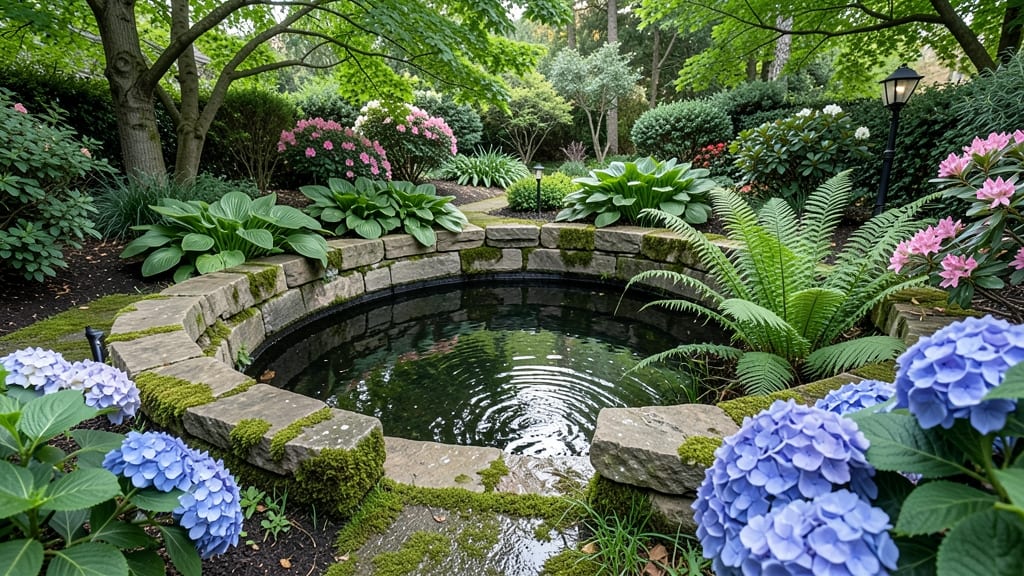
The Butchart Gardens Sunken Garden creates breathtaking visual impact through its terraced design, blending seasonal blooms in a way that feels both organic and meticulously planned. This iconic garden thrives on Victoria's maritime climate by using drought-resistant plants like hydrangeas, roses, and hellebores that require minimal water once established.
The Sunken Garden's magic lies in its layered approach to both design and horticulture. 🌸 Each terrace serves as a stage for different plant heights and bloom cycles, creating continuous color from spring through fall.
The garden's success stems from selecting species that naturally complement each other's growing seasons—like early-blooming hellebores paired with late-season roses—while the terraces themselves prevent soil erosion and create dramatic visual depth. This climate-smart strategy makes it possible to maintain vibrant displays even during Victoria's dry summers.
The garden's drought tolerance comes from years of testing which plants thrive with minimal irrigation. 💧 Native species and carefully chosen perennials form the backbone of the design, while annuals provide seasonal pops of color. The terraced structure also helps manage water runoff, ensuring moisture stays where it's needed most.
This combination of smart design and plant selection is what makes the Sunken Garden both a horticultural masterpiece and a model for sustainable landscaping.
💡 In This Article
- How Butchart Gardens Sunken Garden Achieves Stunning Year-Round Color
- Planting and Maintenance Tips for a Sunken Garden Like Butchart’s
How Butchart gardens sunken garden achieves stunning year-round color
The Sunken Garden's vibrant displays rely on a carefully calibrated plant palette that accounts for Victoria's mild maritime climate—where winters rarely drop below 32°F and summers average 68-75°F.
The garden's designers use a technique called "seasonal layering," where each plant is selected not just for its color but for its bloom timing. For example, hellebores bloom in early spring when few other plants are in flower, while late-season roses extend color into October.
This creates a 12-month color wheel where one plant fades just as another reaches peak bloom.
The terraced design plays a crucial role in both aesthetics and plant health. Each level is 6-12 inches lower than the one above, creating natural drainage that prevents waterlogging—a common issue in Victoria's rainy winters.
This structure also allows for microclimate variations: lower terraces stay cooler and more humid, perfect for moisture-loving plants like hydrangeas, while upper levels get more sun exposure, ideal for drought-tolerant lavender and sedum.
The cascading effect isn't just visual—it's a functional system that mimics natural ecosystems where plants grow at different elevations.
Color theory is applied with surgical precision in the planting scheme. Warm-toned plants like orange daylilies and red roses are balanced with cool blues and purples from lobelia and salvia to create visual harmony. The garden's signature white hydrangeas act as neutral anchors that make surrounding colors pop.
This isn't random—it's based on the 12-color wheel system used in professional floral design, adapted for large-scale landscapes. The result is a garden that feels both wild and carefully curated.
Water management is the secret sauce that keeps colors vibrant through Victoria's dry summer months. The terraces channel rainwater to lower levels where it's needed most, while drip irrigation systems deliver water directly to plant roots at sunrise and sunset to minimize evaporation.
Mulching with 3-4 inches of wood chips helps retain moisture while suppressing weeds. This system reduces water usage by 40% compared to traditional gardens, proving that stunning displays don't require excessive irrigation.
What makes the Sunken Garden truly remarkable is its adaptive plant selection. While many gardens rely on annuals that require constant replanting, Butchart's design centers on perennials and shrubs that establish deep root systems.
For instance, rose bushes planted here develop roots 6-8 feet deep, accessing water stored in the soil during dry periods. This resilience means once established, many plants require only supplemental watering every 2-3 weeks during summer droughts.
The garden's maintenance team follows a color-coded pruning schedule that ensures each plant reaches its peak at the right time. Early spring sees deadheading of winter bloomers like witch hazel, while late summer focuses on cutting back perennials that would otherwise bloom too late in the season.
This precision timing prevents color gaps and maintains the garden's signature vibrancy throughout the year. 🌿