
Planting
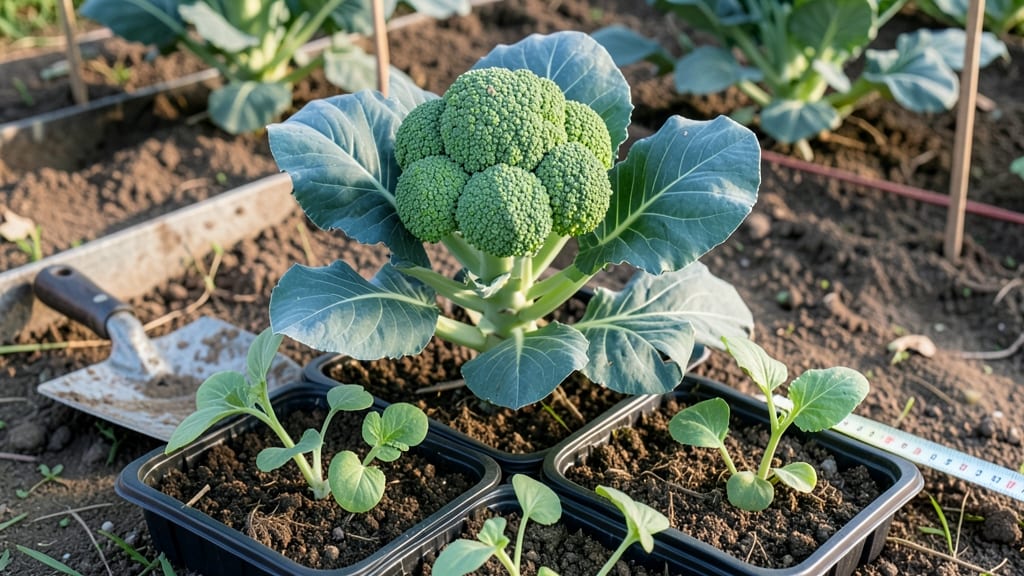
Proper broccoli spacing in your garden is the difference between bountiful harvests and stunted, struggling plants 🥦 — and most gardeners miss the mark.
Picture this: you’ve sown your seeds, nurtured them through the early stages, and now they’re ready to grow. But instead of reaching their full potential, your broccoli plants crowd each other, compete for nutrients, and leave you with small, underdeveloped heads. That’s the cost of poor spacing.
Getting it right means more than just measuring distances—it’s about airflow, sunlight access, and even disease prevention. Whether you’re growing calabrese, sprouting broccoli, or another variety, the right spacing ensures every plant thrives.
In this guide, I’ll break down the ideal spacing for your garden layout, common mistakes to avoid, and advanced tips to maximize your harvest—so you can enjoy healthy, productive broccoli all season long.
Ideal broccoli spacing by plant type and garden layout
Getting your broccoli spacing right is the difference between a bountiful harvest and struggling plants competing for resources. I’ve learned through trial and error that 18-inch spacing for standard varieties isn’t just a suggestion—it’s a necessity for airflow and sunlight penetration.
But not all broccoli is created equal, and your garden layout plays a huge role in maximizing yields.
Whether you’re growing head broccoli, sprouting broccoli, or the popular calabrese variety, each type has unique spacing needs. Even your choice between in-ground planting, raised beds, or containers will dictate how you arrange your plants.
Let’s break down the science behind spacing to help you avoid the common mistakes that lead to stunted growth or disease.
Proper spacing isn’t just about giving plants room to grow—it’s about creating an environment where they thrive. Crowded broccoli plants struggle with poor airflow, which invites fungal diseases like downy mildew. Meanwhile, plants that are too far apart waste valuable garden space. The key is finding that sweet spot where every plant gets enough sunlight, nutrients, and air circulation without competing with neighbors.
For head broccoli, like the classic 'Waltham 29', aim for 18-24 inches between plants and 30-36 inches between rows. This gives the large heads room to develop without shading each other.
I’ve seen gardeners squeeze them closer to save space, but the trade-off is smaller, less flavorful heads. If you’re growing in containers, opt for dwarf varieties like 'Little Sprout' and dedicate one 5-gallon pot per plant—they’ll reward you with compact growth and multiple harvests.
When it comes to sprouting broccoli, such as calabrese, you can get away with slightly closer spacing—12-18 inches apart. These varieties produce side shoots after the main head is harvested, so they’re perfect for succession planting.
In containers, you can even fit two plants in a 7-gallon pot, but monitor them closely for signs of crowding. The goal is to balance space efficiency with airflow to prevent disease.
Raised beds offer a unique opportunity to play with spacing creatively. Instead of planting in straight rows, I recommend a staggered pattern—almost like a checkerboard—to maximize space. This technique works especially well for dwarf varieties or when you’re interleaving broccoli with other crops like lettuce or radishes.
Just be mindful of the maturity size; even compact varieties will need at least 12 inches of clearance to avoid competition.
One of the biggest mistakes I’ve seen is ignoring row orientation. If your garden gets intense afternoon sun, plant rows north-to-south to prevent shading. In cooler climates, east-to-west rows can help capture morning warmth.
And if you’re in a container garden, group pots together to create a microclimate that retains moisture and moderates temperature swings—just ensure each plant has its own dedicated space to avoid root competition.
Here’s a quick tip: If you’re unsure about your spacing, start with the minimum recommended distance and thin seedlings as they grow. It’s easier to adjust young plants than to deal with overcrowded adults. And always prioritize airflow over squeezing in extra plants—your future harvests will thank you.
🌱
Common mistakes that stunt broccoli growth (and how to fix them)
Even experienced gardeners often overlook how broccoli spacing directly impacts plant health and yield. Crowding stresses plants, while too much space wastes garden real estate. The key is finding that sweet spot where your broccoli varieties thrive without competing for sunlight or nutrients.
I’ve seen gardens where overcrowded broccoli produces tiny, bitter heads because plants fight for resources. On the flip side, plants spaced too far apart leave empty soil that invites weeds and reduces overall harvests. Let’s fix these common spacing mistakes before your next planting season.
⚠️ Warning: Overcrowding = Disease Magnet
Problem: Plants spaced less than 12 inches apart create humid microclimates where fungal diseases like downy mildew thrive. Poor airflow also weakens stems, making heads prone to bolting (premature flowering).
Fix: Space head broccoli 18-24 inches apart in rows 30-36 inches apart. For sprouting broccoli, reduce to 12-18 inches apart—these bushier varieties tolerate slightly closer spacing.
🌱 Pro Tip: Use a planting grid or string lines to mark spacing before sowing seeds.
Another silent killer is soil compaction from foot traffic or heavy tools. Compacted soil restricts root growth, forcing plants to compete aggressively for nutrients. I’ve seen broccoli plants with stunted roots because gardeners walked between rows too soon after planting.
To prevent compaction, avoid stepping on planting beds. Instead, use raised beds or create pathways with mulch. If your soil feels hard when pressed, add compost or aged manure to improve drainage and root penetration. Loose, aerated soil helps broccoli develop the deep taproots needed for stability.
Underspacing is just as problematic. While it might seem like leaving extra room prevents crowding, broccoli plants spaced over 24 inches apart struggle to form large heads. The solution?
Use succession planting in smaller blocks rather than single rows. For example, plant two 12-inch-wide rows with 18-inch spacing between them—this maximizes space while maintaining airflow.
Finally, watch for uneven spacing in containers. If you’re growing broccoli in pots, ensure each plant has at least 1 gallon of soil per foot of height.
Overpacking container gardens leads to the same issues as overcrowding in the ground. Use dwarf varieties like 'Calabrese' in containers, but still space them 12-18 inches apart.
By fixing these spacing mistakes, you’ll see larger heads, fewer diseases, and easier harvesting. Start with proper spacing this season, and your broccoli will reward you with bountiful, flavorful harvests all year round. 🥦