
Vegetables
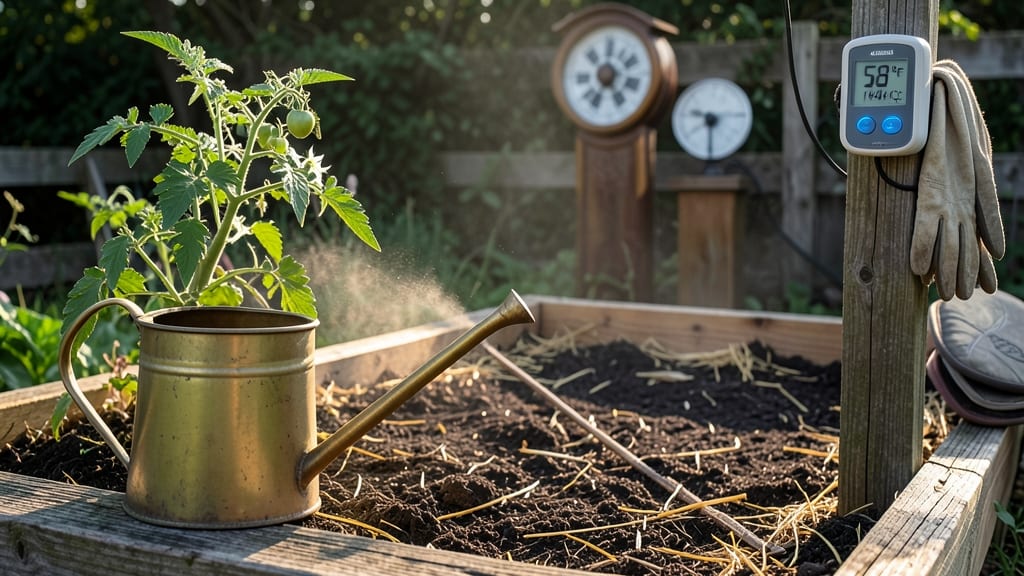
Watering your vegetable garden 🥬 at the best time of day means cooler hours—between 5 AM and 9 AM—when evaporation is lowest and roots soak up moisture efficiently.
Struggling to keep your vegetable garden thriving? The timing of your watering routine could be making all the difference—especially when it comes to maximizing root growth and preventing waste.
Most gardeners assume any time of day works, but that’s a myth. Watering in the heat sends moisture straight into the air, while evening sessions can leave plants vulnerable to fungal diseases. The cool morning is where the magic happens.
Below, I’ll break down why early watering wins, when evening might work, and how to adjust for your climate—so you can save time, water, and stress while keeping your garden lush.
Why early morning watering boosts root growth and plant health
If you’ve ever wondered why your tomatoes or peppers seem wilting despite regular watering, the answer might lie in your watering schedule. Early morning watering—between 5 AM and 9 AM—isn’t just a gardening hack; it’s backed by science.
During these cool hours, evaporation rates are lower, and plants absorb moisture more efficiently, setting the stage for healthier roots and stronger growth. Let’s break down why this timing makes all the difference for your vegetable garden.
The key to understanding early morning watering lies in soil temperature and photosynthesis. When you water in the morning, the soil stays cooler longer, reducing the risk of heat stress on delicate roots.
Additionally, plants can photosynthesize more effectively when their roots are hydrated from the start of the day. This means your lettuce, spinach, and other leafy greens will grow faster and stay crisp, while root vegetables like carrots and beets develop deeper, more robust structures.
One of the biggest myths about watering is that it doesn’t matter when you do it, as long as the plants get enough water. But here’s the truth: watering at the wrong time can actually harm your garden.
For example, watering in the afternoon or evening can leave foliage damp overnight, creating the perfect conditions for fungal diseases like powdery mildew or blight. Early morning watering gives the leaves time to dry completely before nightfall, keeping your plants healthier and more resilient.
Let’s dive into the specifics with this summary-table outlining the ideal conditions for early morning watering and how it benefits different types of vegetable plants:
| Time Window | Benefit | Plant Type Benefited | Evaporation Rate |
|---|---|---|---|
| 5 AM - 7 AM | Maximizes root absorption | Root vegetables (carrots, beets) | Low (10-20%) |
| 7 AM - 9 AM | Reduces fungal risk | Leafy greens (lettuce, spinach) | Moderate (20-30%) |
| 9 AM - 10 AM | Supports photosynthesis | Fruiting plants (tomatoes, peppers) | High (30-40%) |
| After 10 AM | Increased evaporation | All plants (risk of stress) | Very High (40-60%) |
Another critical factor is how early morning watering encourages deeper root growth. When soil moisture is consistent from the start of the day, roots have the energy to explore deeper into the soil in search of water.
This is especially important for drought-prone areas or during hot summers. Shallow roots, common in plants watered inconsistently or at the wrong time, struggle to access moisture during dry spells, leading to wilting and poor yields.
Think about your tomato plants as an example. If you water them in the evening, the top layer of soil may dry out quickly, forcing roots to stay near the surface.
But with morning watering, roots grow downward, creating a stronger anchor and improving the plant’s ability to withstand heatwaves and drought conditions. This is why many experienced gardeners swear by the 5 AM rule: water before the sun gets too intense.
Don’t overlook the role of mulch in this process. Applying a layer of organic mulch, like straw or shredded leaves, helps retain moisture in the soil, making early morning watering even more effective.
Mulch acts like a blanket, slowing down evaporation and keeping the roots cool. Pairing mulch with morning watering can reduce your overall water usage by up to 30% while keeping your plants thriving.
One common mistake gardeners make is assuming that more water is always better. However, overwatering—especially in the wrong time of day—can lead to root rot and other issues. Early morning watering allows excess water to drain away during the day, preventing soggy soil conditions.
Aim for deep, infrequent watering rather than light, frequent sprinkles. A good rule of thumb is to water until the soil is moist 6 inches deep.
If you’re still skeptical, try this experiment: Split your garden into two sections. Water one section in the morning and the other in the evening for a month. Observe the difference in leaf health, growth rate, and disease resistance.
Chances are, the morning-watered section will show noticeable improvements. This simple adjustment can transform your garden’s productivity and health, saving you time and effort in the long run.
So next time you grab your watering can or hose, set your alarm for 6 AM and give your plants the best start to their day. Your vegetable garden will thank you with <
Evening watering: when it works (and when it doesn’t)
Watering your vegetable garden in the evening—between 3 PM and 7 PM—can feel like a lifesaver when mornings are busy. But timing matters more than you might think.
Cool evening air reduces evaporation, but lingering moisture can invite fungal diseases like powdery mildew. Let’s break down when evening watering helps (and when it harms) your plants.
In arid climates, evening watering can be a game-changer. The heat stress of the day means plants lose moisture quickly, and evening water helps replenish reserves before nightfall.
However, in humid regions, the same conditions that help in dry areas become risky. High humidity at night creates the perfect environment for blight and rot to spread.
Your watering schedule should also consider your vegetable types. Leafy greens like lettuce and spinach benefit from evening watering because they’re shallow-rooted and need frequent hydration. On the other hand, tomatoes and peppers—which are more susceptible to fungal issues—should avoid wet foliage as the sun sets.
Evening Watering: Pros & Cons
✅ Pros
- Reduces evaporation in hot climates
- Helps deep-rooted veggies like carrots and beets
- Ideal for dry, windy areas where moisture disappears fast
- Gives plants a nighttime hydration boost
❌ Cons
- Increases fungal risks in humid climates
- Can lead to leaf burn if water sits too long
- Less effective for shallow-rooted plants like herbs
- May attract pests like slugs to damp soil
If you’re in a humid climate, stick to early evening watering (5-6 PM) to allow foliage to dry before nightfall. For arid regions, watering between 6-7 PM can be ideal—just avoid overhead sprinklers.
Instead, use drip irrigation or soaker hoses to deliver water directly to the roots where it’s needed most.
Always check your plants after watering. If leaves stay damp overnight, switch to morning watering. The goal is to keep your vegetable garden hydrated without inviting problems. A little experimentation will help you find the perfect balance for your specific conditions.
Remember, the best time to water isn’t just about the clock—it’s about your local climate, your plant types, and how your garden responds. Pay attention, adjust as needed, and your vegetables will thank you with healthier growth and better yields. 🌱