
Pests
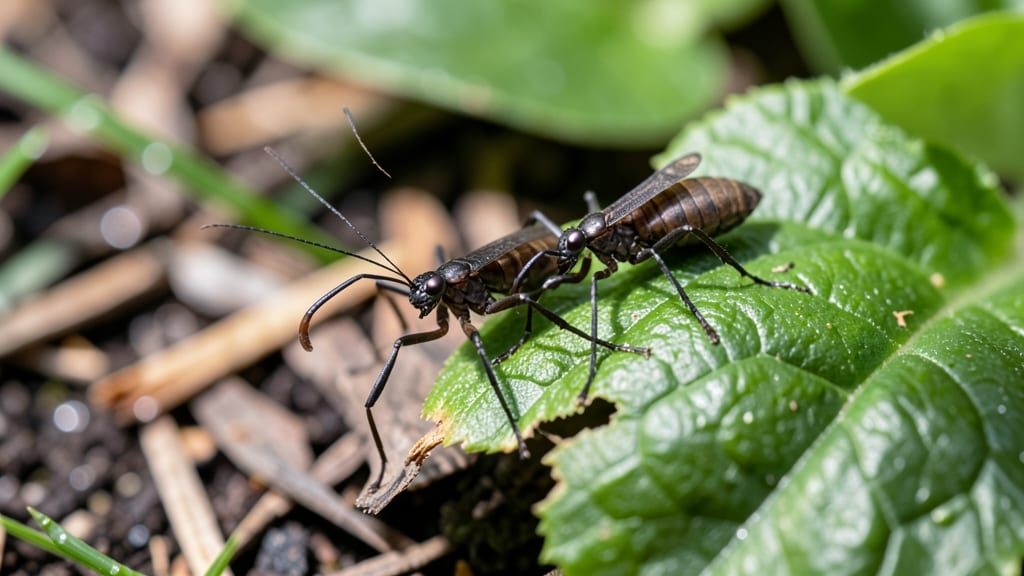
Earwigs aren't typically bad for the garden—they primarily feed on decaying plant matter, fungi, and soft-bodied pests like aphids, but may occasionally nibble young seedlings or flowers. Their presence is usually harmless unless populations explode, requiring natural control methods like diatomaceous earth or removing hiding spots.
Earwigs actually play a helpful role in many gardens by breaking down organic debris and preying on harmful insects like aphids and mites. 🌱 However, their occasional nibbling on tender plant parts can become problematic if their numbers grow unchecked.
The key is monitoring their populations—most gardeners only need to intervene when they start damaging flowers or seedlings, which is rare in balanced ecosystems.
These nocturnal insects thrive in moist environments, often hiding under mulch or rocks during the day. Understanding their behavior helps you implement targeted control measures without disrupting beneficial insects. For example, simply removing their hiding spots or using natural barriers can often keep populations in check while maintaining garden health.
💡 In This Article
- What Earwigs Eat: Garden Friends or Foes?
- Natural Ways to Manage Earwig Populations in Gardens
What earwigs eat: garden friends or foes?
Earwigs are actually nature's tiny recyclers, primarily feasting on decaying plant matter like fallen leaves, dead flowers, and rotting wood.
Their diet includes fungi and algae, which they help break down through their chewing mandibles—this process accelerates decomposition and returns nutrients to the soil. 🌱 In fact, their contribution to organic matter breakdown is similar to how earthworms improve soil health, though on a much smaller scale.
Studies show that earwigs can process up to 50% of their body weight in organic debris daily, making them efficient composters.
Their predatory side is where they earn their "garden helper" reputation. Earwigs hunt soft-bodied pests like aphids, mites, and small caterpillars, often consuming 10-20 pests per night depending on availability. This makes them particularly valuable in vegetable gardens where aphid populations can explode.
Unlike many beneficial insects, earwigs are active predators even in cooler temperatures (50-60°F), giving them an edge over slugs and snails that slow down in chilly weather.
However, their occasional plant-munching habits create the "foe" perception. Young seedlings and flower petals—especially tender varieties like roses or lettuce—can become targets when earwig populations surge.
The damage typically appears as irregular holes or notched edges along leaf margins, which is why gardeners often mistake them for slug damage. 🐌 What sets earwig damage apart is the precise, clean-cut appearance of their bites, unlike the slime trails left by slugs.
Their chewing is rarely fatal to mature plants but can stress young growth during critical development stages.
The real concern arises when earwigs find ideal conditions—moist, shady areas with plenty of organic matter. A single female can lay 50-100 eggs in a season, and their rapid reproduction means populations can explode within weeks if unchecked.
This is when their beneficial habits get overshadowed by their potential to become garden nuisances, particularly in greenhouses or heavily mulched beds where moisture levels stay consistently high.
Comparing earwigs to other common garden pests reveals their unique position. While slugs and snails cause widespread destruction through slime trails and voracious eating, earwigs are more selective. They won't devour entire plants but may create cosmetic damage that detracts from a garden's appearance.
Their nocturnal habits also mean you're less likely to spot them during the day, which is why many gardeners only discover their presence when damage appears suddenly.
Understanding this balance is key: earwigs thrive in ecosystems where they contribute more than they harm. The challenge lies in creating garden conditions that maintain this equilibrium—keeping moisture controlled, removing excessive organic debris, and providing alternative food sources to reduce their temptation to nibble on your prized plants. 🌿