
Tools
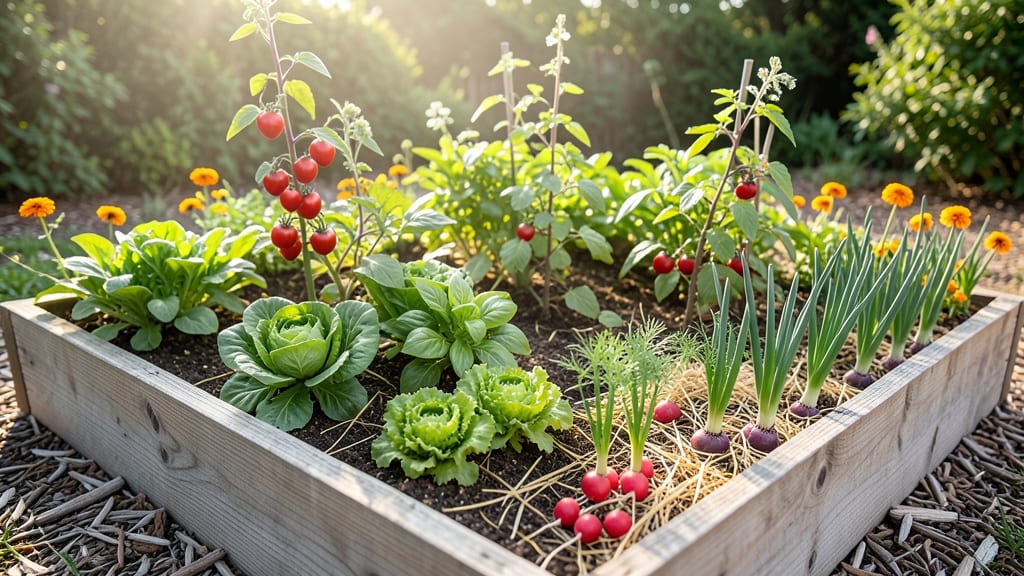
An 8x8 raised garden turns even the smallest space into a thriving harvest hub—just imagine the bounty you could grow in 64 square feet!
Picture this: your morning coffee paired with homegrown tomatoes, fresh herbs within arm’s reach, and a layout that actually works for your lifestyle. No more guessing games about spacing or crowding—just a clear, customizable plan that maximizes every inch.
Whether you’re a first-time gardener or a seasoned pro, these space-saving layouts adapt to your goals—whether it’s salad greens, heirloom veggies, or a pollinator-friendly paradise. I’ll walk you through the science behind spacing, companion planting, and seasonal swaps to keep your garden productive all year.
Ready to ditch the clutter and grow more with less? Let’s design a high-yield, low-stress raised bed that fits your space and your dreams.
Optimal 8x8 raised garden layouts for different plant types
Transforming your 8x8 raised garden into a high-yield powerhouse starts with understanding plant spacing science. Every plant has unique needs—some thrive in tight clusters while others demand personal space to prevent disease and maximize production.
My square-foot gardening approach divides the 64 sq ft into manageable zones, ensuring no space is wasted while avoiding overcrowding that stunts growth.
For vegetables, focus on pairing fast growers like radishes (1 plant per sq ft) with slower vining plants such as cucumbers (1 plant per 4 sq ft).
Herbs like basil (4 plants per sq ft) can share space with leafy greens, while tomatoes (1 plant per 4 sq ft) need their own dedicated corners. Flowers like marigolds (4 plants per sq ft) act as natural pest deterrents and pollinator magnets.
Here’s how to visualize your optimal plant layout based on growth habits, sunlight needs, and companion planting benefits: