
Planting
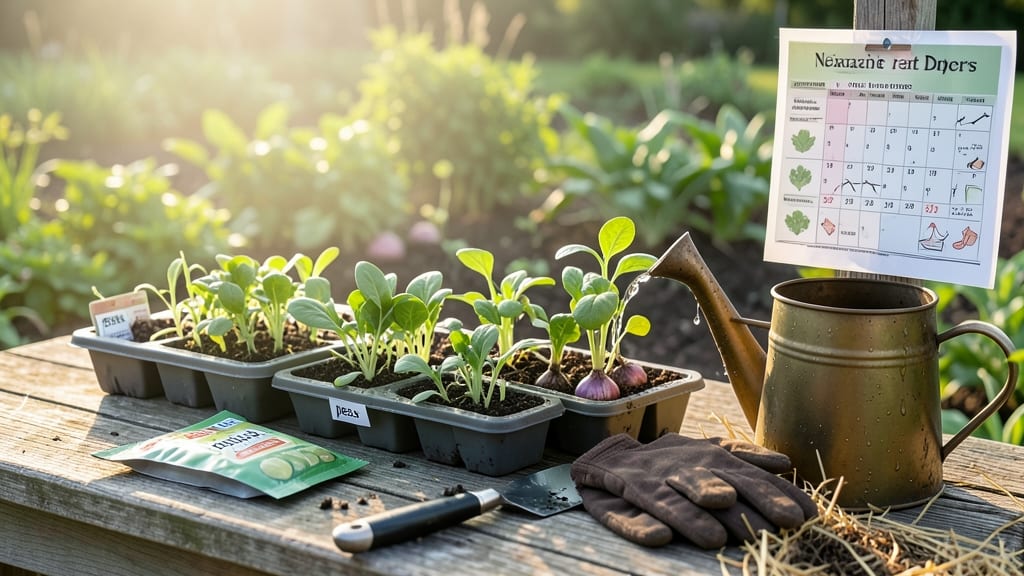
To plant a garden in Nebraska, timing is everything—especially in USDA Zone 5B, where a late frost can wipe out weeks of work in minutes.
Nebraska’s unpredictable spring weather can turn a gardener’s dream into a gamble—but knowing the exact planting window ensures your tomatoes, beans, and flowers thrive instead of freeze. Miss these deadlines, and you risk stunted growth or wasted seeds.
Most Nebraska gardeners wait until mid-April to early June for spring crops, but soil temperature—not the calendar—is the real key.
Cold-hardy veggies like peas and spinach can go in as early as April 15, while heat-lovers like tomatoes need to wait until after May 15, when frost risk drops.
Below, I break down Nebraska’s frost-free window, crop-by-crop planting schedules, and three pro tips to stretch your growing season—no matter how wild the weather gets.
Nebraska’s last frost dates and safe planting windows by crop type
Nebraska’s USDA Zone 5B brings 150-180 frost-free days, but the last spring frost can swing wildly between April 15 and May 15 depending on your microclimate. In western Nebraska, frost may retreat by early April, while eastern regions often wait until mid-May.
This variability means your tomatoes, peppers, and warm-season flowers can’t afford delays—plant too early, and a late frost will kill tender seedlings.
To navigate this uncertainty, I’ve broken down planting windows by crop type, separating cold-hardy vegetables (like kale and peas) from heat-loving plants (like cucumbers and squashsoil temperature, which must reach at least 50°F for most seeds to germinate properly.
Skip the guesswork and use this guide to align your planting with Nebraska’s unpredictable but reliable growing seasons.
🌱 Key Tip: Always have row covers or plastic mulch ready to protect young plants if late frosts threaten. Even a 28°F night can devastate unprotected seedlings.
For western Nebraska (e.g., Scottsbluff or North Platte), you can push planting dates 1–2 weeks earlier thanks to drier, warmer conditions. In contrast, eastern Nebraska (e.g., Omaha or Lincoln) may need to wait until May 15 for tomatoes and peppers to avoid frost damage.
Always monitor local weather forecasts and use soil thermometers to confirm readiness—cold soil is the #1 reason seeds fail to sprout.
If you’re growing transplants (like tomato or pepper starts), harden them off for 7–10 days before planting after the last frost. This toughens their leaves and reduces shock from Nebraska’s windy conditions.
For direct-sown seeds, like beans or corn, wait until soil temperatures consistently stay above 60°F—cold soil can stunt root growth and delay harvests by 2–3 weeks.
One of my biggest mistakes was planting cucumbers too early in Lincoln—they bolted in the heat before producing fruit.
Now, I wait until June 1 for heat-loving crops and use shade cloth during Nebraska’s 90°F+ afternoons. 🌡️ Pro Tip: If your morning lows dip below 50°F after planting, cover seedlings with frost blankets until nighttime temperatures rise.
For
How to adjust planting timing for Nebraska’s unpredictable weather patterns
Nebraska’s unpredictable spring can leave gardeners scrambling when late frosts strike after seeds are planted. Even experienced growers in USDA Zone 5B need a flexible strategy to protect tender seedlings while maximizing the growing season.
The key lies in soil temperature monitoring, row covers, and knowing which plants can handle Nebraska’s 50°F soil threshold.
Most vegetable seeds won’t germinate until soil reaches 50°F or warmer. In Nebraska, this typically happens between mid-April and early May, but microclimates near rivers or urban areas may warm earlier.
Cold-hardy crops like peas and spinach can tolerate cooler soils, while tomatoes and peppers demand warmth. Using a soil thermometer ($10 at garden centers) removes the guesswork.
⚠️ callout-warning ⚠️
Last year’s May 10 frost in Lincoln destroyed thousands of tomato seedlings planted just days earlier. Don’t assume your area is safe after Memorial Day—always check local frost date records (Nebraska State Climate Office) and prepare for 1-2 week delays in high-risk years.
Pro Tip: Plant cold-hardy varieties (like ‘Early Girl’ tomatoes) first—they recover better from light frosts than tropical species.
For high-risk years, I recommend this 3-step checklist to extend your planting window: 1. Test soil weekly starting March 15—plant only when temps hit 50°F for 3+ days. 2.
Use floating row covers (like Agribon) to protect seedlings from 28°F+ frosts—even tomatoes can survive brief cold snaps with cover. 3. Start heat-loving plants indoors (peppers, eggplants) 8-10 weeks before your average last frost (use grow lights if natural light is limited).
Another game-changer is succession planting. Instead of sowing all your beans or lettuce at once, stagger plantings every 2 weeks until June 15. This ensures a continuous harvest and reduces losses if a late frost hits one batch.
For example, I plant bush beans in three waves: May 1, May 15, and June 1—guaranteeing fresh pods from July through August.
Don’t overlook fall planting either. After Labor Day, Nebraska’s soil stays warm enough for cool-season crops like kale, radishes, and spinach until October 15**. These plants thrive in 50-65°F soil and can even survive light frosts. I’ve harvested baby carrots in November with proper mulching and row covers.
When all else fails, harden off seedlings gradually if you must plant early. Acclimate them to outdoor conditions over 7-10 days by placing them in partial shade during the day and bringing them in at night.
This toughens their cell walls, helping them withstand 32°F temperatures better. Pair this with a black plastic mulch to warm the soil faster—it can raise ground temps by 5-10°F.