
Planting
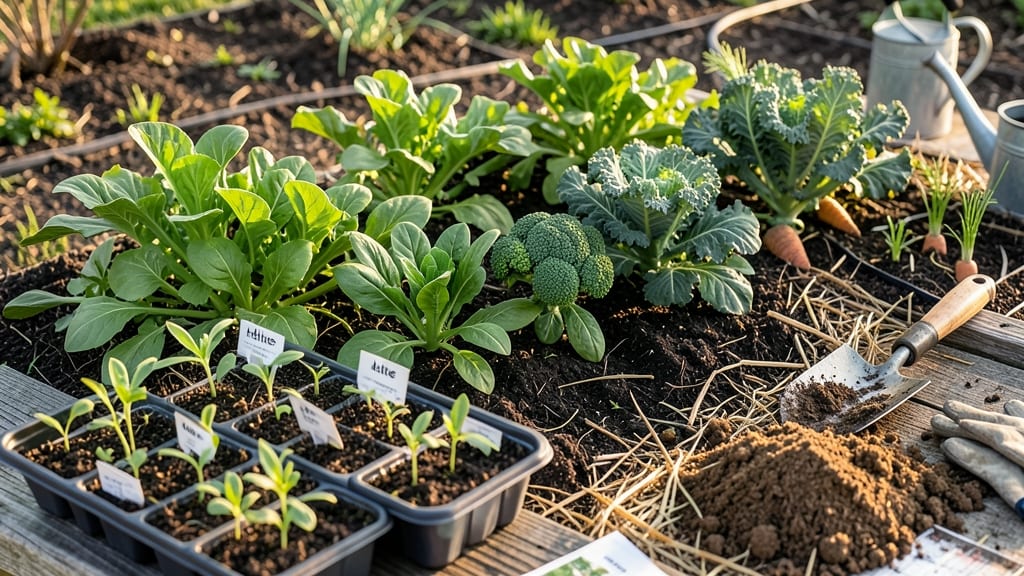
Planting a garden in Utah means timing it right to beat frost and summer heat—your last frost date and microclimate can make or break your harvest.
Picture this: You’ve spent weeks nurturing seedlings, only for a late April frost to wipe out your 🌱 General Garden before it even takes root. Or worse, you wait too long, and the 100-degree July heat arrives before your tomatoes set fruit.
Utah’s USDA Zones 5-8 and dramatic elevation shifts—from desert valleys to mountain slopes—turn planting into a high-stakes puzzle.
But here’s the good news: With the right strategy, you can stretch Utah’s 120-180 frost-free days into two productive growing seasons.
Whether you’re in St. George’s low desert or Park City’s high country, knowing when to plant—from cool-season crops in March to heat-loving veggies in June—is the key to a bountiful harvest.
Below, I’ll break down the exact planting windows for Utah’s most reliable crops, how to adjust for your local microclimate, and the three simple tricks to extend your growing season by weeks. No more guesswork—just a garden that thrives.
Utah’s frost-free planting zones: when to start seeds indoors vs outdoors
Utah’s USDA Hardiness Zones 4–7 create a patchwork of growing conditions, where elevation shifts can mean the difference between a 100-day growing season in St. George and just 90 days in Salt Lake City.
Understanding these zones helps you time seed-starting indoors and outdoor planting to avoid frost damage while maximizing your harvest. The key? Knowing your last frost date and adjusting for microclimates—like urban heat islands or mountain valleys.
For example, Southern Utah’s Zone 7a (St. George) has an average last frost date of March 15, while Wasatch Front’s Zone 5b (Salt Lake City) typically sees frost until May 1.
High-altitude areas like Cache Valley (Zone 6a) fall somewhere in between, with frost lingering until April 15. These differences dictate whether you’ll start cool-season crops like peas in February or wait until March.
| Region | USDA Zone | Last Frost Date | First Frost Date | Indoor Seed Start (Cold-Hardy) | Outdoor Planting Window |
|---|---|---|---|---|---|
| Salt Lake Valley | Zone 5b | April 15 | October 15 | March 1 (peas, spinach) | May 15–June 15 |
| Wasatch Front (Provo) | Zone 6a | April 1 | October 30 | February 15 (lettuce, kale) | April 20–June 10 |
| Southern Utah Desert (St. George) | Zone 7a | March 15 | November 15 | January 1 (cool crops) | March 1–April 15 |
| Cache Valley | Zone 6b | April 10 | October 20 | February 28 (broccoli, cabbage) | April 25–June 5 |
Your USDA Zone isn’t just a number—it’s a roadmap for indoor seed-starting. In Zone 5b (Salt Lake Valley), I start cool-season crops like broccoli and cabbage indoors in late February to ensure they’re ready for late April planting.
Meanwhile, in Zone 7a (St. George), I can direct-sow warm-season crops like beans and cucumbers as early as March 1, thanks to the earlier last-frost date.
For tender crops like tomatoes and peppers, I always start seeds indoors 8–10 weeks before the last frost date. In Zone 6a (Provo), that means mid-February for a May 15 transplant.
Use grow lights to supplement Utah’s short winter daylight (only 9–10 hours in December) and maintain 70–75°F soil temps for optimal germination.
Outdoor planting windows shrink dramatically in higher elevations. In Park City (Zone 5a), the 90-day growing season forces me to focus on fast-maturing varieties like bush beans (50 days) or radishes (25 days).
I also use row covers to extend the season by 2–3 weeks in both spring and fall, protecting crops from late frosts in May or early frosts in September.
Don’t forget fall planting—it’s just as critical as spring. In Zone 6b (Cache Valley), I plant cool-season crops like spinach and kale in early August for a harvest before first frost (October 20). For Zone 7a (St. George),
Best zero-frost-risk crops for Utah’s short growing season (and how to extend it)
Utah’s short growing season and unpredictable frost dates make selecting the right crops critical. The key is choosing fast-maturing, heat-tolerant varieties that thrive in 60–90 days—perfect for Utah’s 120–180 frost-free days.
These crops minimize risk while maximizing yields, even in cooler microclimates like the Wasatch Front or Cache Valley.
For colder zones (USDA 4–6), extend your season with soil-warming hacks like black plastic mulch or cold frames. These tricks can push your planting window 2–4 weeks earlier, giving tender crops like zucchini and bush beans a head start.
Below, I’ve highlighted the top 10 zero-frost-risk crops for Utah, plus proven methods to stretch your harvest.
-
1Bush Beans (50–60 days): Plant after last frost (mid-May in valleys) or use row covers for earlier starts. Tolerates 90°F+ heat and produces 3–4 weeks after germination.
-
2Zucchini (45–55 days): Direct-sow after soil reaches 60°F (late April in low desert, early June in mountains). Use black plastic mulch to warm soil 5–10°F faster.
-
3Swiss Chard (50–60 days): Cold-hardy (20°F tolerance) but thrives in 70–85°F. Sow 2–3 weeks before last frost or fall-plant in August for winter harvests.
-
4Radishes (25–30 days): Fastest crop—sow every 2 weeks from March to August. Use shade cloth in summer to prevent bolting (70°F+ triggers early flowering).
-
5Cucumbers (50–60 days): Needs 70°F+ soil—wait until late May in valleys. Train on trellises to save space and reduce disease risk in Utah’s humid summers.
To extend Utah’s growing season, I swear by cold frames and low tunnels, which can add 4–6 weeks to your harvest. For example, planting kale or spinach in late July under a cold frame often yields frost-resistant greens until November.
Pair this with drip irrigation to maintain moisture without overwatering in Utah’s dry winds.
For high-elevation gardens (7,000+ ft), focus on short-season varieties like ‘Early Wonder’ peas (60 days) or ‘Black Krim’ tomatoes (70 days). These handle cooler nights while still maturing before the first frost.
Always harden off seedlings for 7–10 days before transplanting to avoid shock in Utah’s temperature swings.
Pro tip: Succession plant every 2 weeks for continuous harvests. For instance, sow bush beans in May, June, and July to stagger yields through September. This strategy works wonders in Utah’s variable climate, ensuring you’re never left without fresh produce.