
Picking
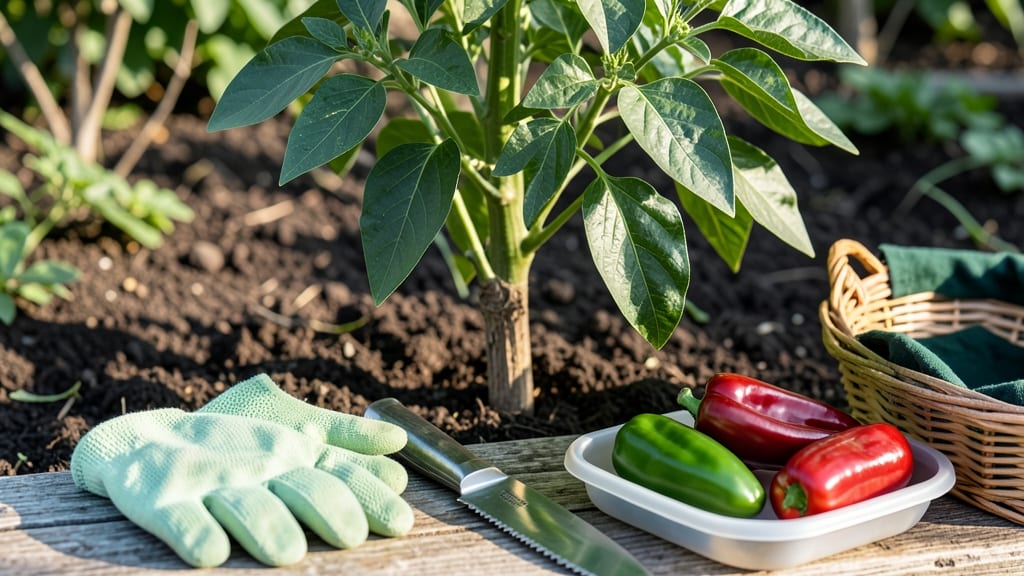
You’ll know exactly when to pick jalapeños from your garden by watching for three key signs—size, color, and firmness—that signal peak flavor and heat.
Miss the window, and you’re left with dull, seedy peppers that lose their signature kick. Overripe jalapeños turn rubbery, while underripe ones lack the bold spice gardeners love. The difference between a crisp, fiery pepper and a sad, mushy one comes down to timing.
Jalapeños ready to harvest are 3–5 inches long, with glossy skin and a slight give when squeezed. Green jalapeños pack milder heat, while red ones deliver a deeper, fruitier spice—both are worth picking at the right moment.
Heat waves and maturity also play a role, so checking your peppers regularly ensures you never miss the sweet spot.
Below, I’ll break down the visual cues, how to test ripeness, and whether to harvest green or red for the best results—so you can enjoy homegrown heat all season long.


3 Visual signs your jalapeños are ready for harvesting
Harvesting jalapeños at the right moment transforms your garden into a spice treasure trove. Peppers picked too early lack flavor and heat, while overripe jalapeños lose crispness and intensity. The key lies in three simple visual cues: size, color, and firmness.
Master these signs, and you’ll enjoy the perfect balance of fiery kick and crunchy texture in every bite.
First-time growers often wonder why some jalapeños turn red while others stay green. Green jalapeños are typically harvested earlier for milder heat, while red jalapeños develop deeper flavors but lose some crispness.
Understanding these color differences helps you choose the ideal harvest time for your culinary needs. Let’s break down the three unmissable visual signals that scream "pick me now!"
🌱 Pro Tip: Always use clean, sharp scissors or pruners when harvesting to avoid damaging the plant. Cut the stem about 1/4 inch above the pepper to encourage more production.
🔍 Numbered Highlights: When to Pick Jalapeños
- 📏 Size: 3-5 inches long is prime time. Smaller peppers (under 2 inches) are too young, while larger ones may be past their peak.
- 🌿 Color: Deep green (for standard jalapeños) or bright red/purple (for mature varieties). Color intensity signals full flavor development.
- 🤏 Firmness: Gently squeeze the pepper—it should feel firm but slightly yielding, like a ripe avocado. Hard peppers are underripe; mushy peppers are overripe.
- 💧 Glossy Skin: A slightly waxy, glossy surface indicates peak ripeness. Dull skin means the pepper needs more time on the plant.
- ⏰ Timing: Morning harvests preserve flavor and heat best. Avoid picking after rain to prevent mold or rot.
Let’s start with size, the most straightforward clue. Jalapeños ready for harvest typically measure between 3 to 5 inches in length. If your peppers are smaller than a golf ball (about 2 inches), they’re still developing their signature heat and flavor.
On the flip side, peppers stretching beyond 5 inches may have lost some of their crisp texture and spice intensity. Think of this as the "goldilocks zone" for jalapeños—just right for the best balance of heat and crunch.
Next, pay attention to color, which reveals whether your jalapeños are at their flavor peak. Standard green jalapeños should deepen to a rich, vibrant green when ready.
If you’re growing a variety like the Red Jalapeño or Purple Jalapeño, wait until the peppers turn their mature color—red or purple, respectively.
These color changes signal that the peppers have fully ripened and developed their maximum flavor. Red jalapeños tend to be slightly sweeter and milder than their green counterparts, while green ones retain a sharper, more classic jalapeño kick.
Don’t overlook firmness, the final visual cue that tells you whether your jalapeños are ready to be picked. A perfectly ripe jalapeño should feel firm to the touch but yield slightly when you gently squeeze it—almost like pressing a ripe tomato.
If the pepper feels rock-hard, it’s not ready yet. Conversely, if it feels soft or mushy, it’s overripe and past its prime. This slight give indicates that the pepper’s internal structure has reached ideal maturity for harvesting.
Here’s a bonus tip: Harvest green jalapeños for a classic, fiery flavor, but leave them on the plant longer if you prefer a milder, sweeter taste. Red jalapeños are perfect for salsas or dishes where you want a touch of sweetness to balance the heat.
The choice depends on your culinary goals—experiment to see which you prefer!
One common mistake I see is waiting until jalapeños turn red before harvesting, even if they’re small. Size matters more than color for peak heat. A 3-inch red jalapeño will still pack more punch than a 5-inch green one.
Always prioritize the 3-5 inch rule over color alone. This ensures you’re getting the most flavorful and spicy peppers possible.
Finally, time your harvests for the coolest part of the day, ideally in the morning. This helps preserve the peppers’ freshness and heat levels. After picking, store jalapeños in the fridge for up to a week, or freeze them for longer storage.
Proper harvesting techniques now will reward you with a steady supply of homegrown spice all season long.
Now that you know the three visual signs, grab your gardening gloves and start harvesting! Your taste buds—and your jalapeño plants—will thank you. 🌶️
How jalapeño size and heat level affect harvest timing
When it comes to jalapeños, size isn’t everything—heat intensity often peaks when peppers are smaller. A 3-inch jalapeño can deliver twice the capsaicin (the compound behind heat) of a 5-inch fully mature pepper.
This is because capsaicin concentration decreases as peppers grow larger, diluting their fiery punch. If you're craving that signature kick, harvesting early is key.
But timing isn’t just about heat—it’s also about flavor and texture. Smaller jalapeños offer a crisp, tangy bite, while larger ones develop a sweeter, almost fruity note.
For example, red jalapeños (a mature version) are milder but richer in depth, perfect for slow-cooked dishes. Understanding these nuances lets you tailor your harvest to your favorite recipes.
Here’s the critical trade-off: smaller = hotter, but larger = milder and more versatile. Your choice depends on whether you prioritize heat or flavor complexity.
For instance, if you’re making salsa verde, smaller green jalapeños add a sharp, fiery edge, while larger red ones work better in smooth sauces where heat needs to mellow.
| Stage | Size (inches) | Heat Level | Flavor Profile | Best Use |
|---|---|---|---|---|
| Early Green | 2-3 | High (3,500-8,000 SHU) | Crisp, tangy, sharp | Salsas, pickling |
| Mature Green | 3-5 | Medium (2,500-5,000 SHU) | Balanced, slightly sweet | Stuffing, grilling |
| Red | 4-6 | Low (1,000-2,500 SHU) | Sweet, fruity, mellow | Sauces, roasting |
Maturity also affects storage life. Smaller jalapeños stay fresh for 1-2 weeks in the fridge, while larger ones last 2-3 weeks due to thicker skin. If you’re planning to dry or ferment your peppers, harvest them at the mature green stage—they’ll retain more heat and texture during preservation.
For example, jalapeño powder made from early-harvest peppers packs a punch, while powder from red jalapeños is milder and best for seasoning.
Don’t overlook the environmental impact on heat levels. Peppers grown in hotter climates (like zones 9-11) tend to develop more capsaicin earlier, while cooler zones may need an extra week to reach peak heat.
If your garden runs cooler than 75°F, expect slightly milder jalapeños unless you use black plastic mulch or row covers to warm the soil.
Pro tip: Harvest every 2-3 days during peak production to maintain plant health and encourage continuous fruiting. Use clean, sharp pruning shears to avoid damaging the stem, which can invite disease.
And remember—red jalapeños aren’t overripe; they’re just a different flavor stage! Their sweeter profile makes them ideal for dishes where heat isn’t the star.