
Picking
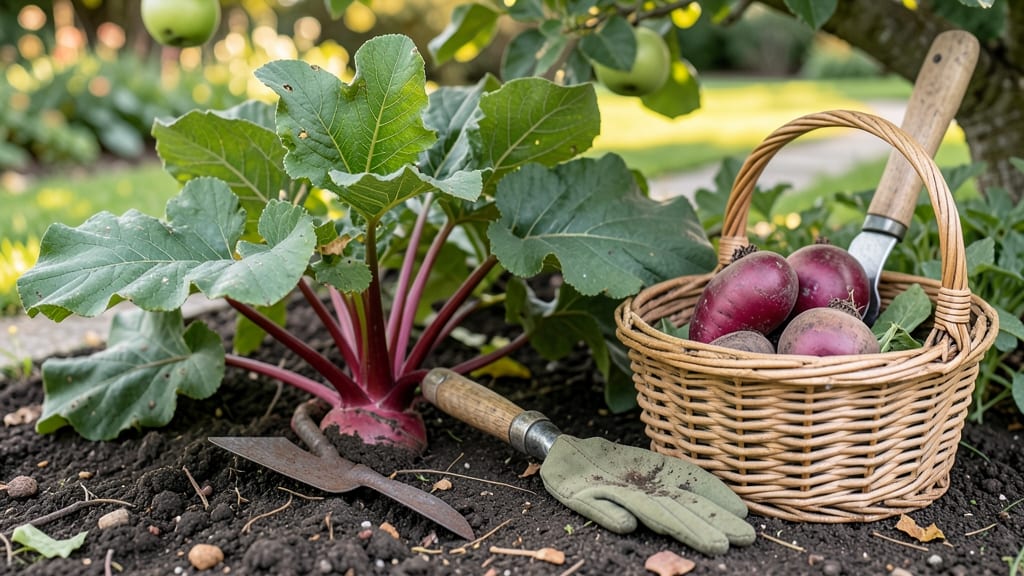
Picking beetroot from the garden at the right time means the difference between a sweet, tender root and a tough, woody mess—so timing is everything.
Picture this: you’ve nurtured your 🍠 beetroot for weeks, only to pull one that’s hard as a rock or still underdeveloped. That’s why knowing the 3 key signs of readiness—size, color, and leaf health—isn’t just helpful, it’s essential for peak flavor.
Most gardeners wait too long, assuming bigger is better, but beetroot left in the ground past its prime develops a bitter, fibrous texture. The secret? Harvest when roots are 1-3 inches wide, their skin resists gentle pressure, and the tops are 4-6 inches tall—that’s when sweetness peaks.
Below, I’ll walk you through how to check for these signs, adjust for your climate, and avoid common mistakes that turn your harvest into a disappointment. Let’s get those beetroot out at the perfect moment!


3 Visual signs your beetroot is ready for harvesting
Knowing when to pick beetroot from your garden ensures you enjoy sweet, tender roots instead of tough, woody disappointments. Beetroots mature at different rates depending on the variety, but these 3 visual signs guarantee peak flavor and texture.
Baby beetroots can be harvested earlier, while mature varieties need more time to develop their signature deep colors and rich taste.
First, pay attention to the root size. Most beetroot varieties reach harvest readiness when their roots are between 1 to 3 inches in diameter. Smaller than 1 inch, and you’ll miss out on full sweetness; larger than 3 inches, and they risk becoming fibrous.
This size range applies to both baby and mature types, though baby beetroots are often harvested at the smaller end for a milder flavor.
Next, check the skin texture and color. A ready-to-harvest beetroot will have a deep, consistent color—whether red, gold, or striped—with a skin that resists gentle pressure.
If the skin gives easily when pressed, the beetroot needs more time. This visual cue is especially important for heirloom varieties, where color intensity directly correlates with sweetness.
The third sign is the leaf health and size. When the beetroot’s leaves reach 4 to 6 inches tall, the roots below are typically ready. Look for vibrant, healthy foliage without yellowing or wilting, which can signal stress or overmaturity.
Baby beetroots may have smaller leaves, but the same principle applies: healthy greens mean a delicious root below.
| Trait | Baby Beetroot (Early Harvest) | Mature Beetroot (Full Size) |
|---|---|---|
| Root Size | 1–2 inches in diameter | 2–3 inches in diameter |
| Skin Color | Light but consistent | Deep, vibrant (red, gold, etc.) |
| Skin Firmness | Firm but slightly soft | Firm and resistant to pressure |
| Leaf Size | 2–4 inches tall | 4–6 inches tall |
| Flavor Profile | Mild, slightly sweet | Rich, deeply sweet |
| Harvest Window | 45–55 days after planting | 60–70 days after planting |
For baby beetroots, you can start harvesting as early as 45 days after sowing, focusing on the smaller size and lighter color. These are perfect for salads or quick cooking, offering a delicate sweetness.
Mature beetroots, on the other hand, develop their full flavor between 60 to 70 days and are ideal for roasting, pickling, or storing long-term.
One common mistake is waiting too long to harvest, which leads to woody, bitter roots. If you notice the leaves turning yellow or the roots cracking the soil surface, it’s a clear sign you’ve missed the window.
Always harvest on a dry, sunny day to make the process easier and reduce soil from sticking to the roots.
Pro tip: Use a garden fork or trowel to loosen the soil around the beetroot before pulling gently. This prevents damage to the roots and makes cleaning easier. Once harvested, trim the greens to about 1 inch above the root to extend storage life and preserve flavor.
By mastering these 3 visual signs, you’ll never again miss the perfect moment to harvest your beetroot. Whether you’re growing Detroit Dark Red or Golden Beets, these cues apply universally. Happy harvesting!
How soil and weather affect beetroot harvest timing
Beetroots thrive when soil temperatures stay between 50°F and 75°F—too cold or too hot can drastically alter their growth rate. If your spring planting hits unexpected frost, roots may develop a bitter taste or grow unevenly.
Similarly, summer heat waves can cause bolting, where beetroots send up flower stems prematurely, ruining their texture.
Daylight hours play a crucial role too. Beetroots planted in short-day conditions (like late summer) may mature faster than those in long-day spring environments.
For example, a 60-day variety in Arizona might be ready in 50 days due to intense sunlight, while the same variety in Pacific Northwest could take 70 days.
🌱
⚠️ Warning: Soil Too Wet or Too Dry?
Overly moist soil causes soggy, split roots, while drought stress leads to woody, fibrous texture. Check soil moisture weekly—aim for consistent dampness (not soggy) by inserting your finger 1 inch deep. Adjust harvest timing if soil dries faster than usual (e.g., sandy soil in summer).
Soil pH also sneaks up on harvest timing. Beetroots prefer 6.0 to 7.0 pH—outside this range, they absorb nutrients poorly, slowing growth. If your soil tests acidic (below 6.0), roots may take 10–15% longer to reach harvest size. Amend with lime 2–3 weeks before planting to avoid delays.
Temperature swings matter just as much. A 10°F drop overnight can shock beetroots, stalling growth until warmer days return. In cooler climates (USDA Zones 3–5), start harvesting 2–3 weeks earlier than the package suggests.
Conversely, hot climates (Zones 8–10) may require shade cloth to prevent bolting and extend the harvest window.
Watch for leaf color shifts as a final clue—yellowing leaves signal stress from overwatering or nutrient deficiency, while deep green, wrinkled foliage means roots are ready. Pair this with soil checks (probe gently near roots) to confirm firmness. In dry climates, morning harvests prevent wilting from daytime heat.
Pro tip: Keep a harvest journal to track local conditions. Note when beetroots mature under your specific soil and weather, then adjust future plantings accordingly. For example, if your 60-day variety takes 70 days in your area, start seeds 10 days earlier next time.