Planting
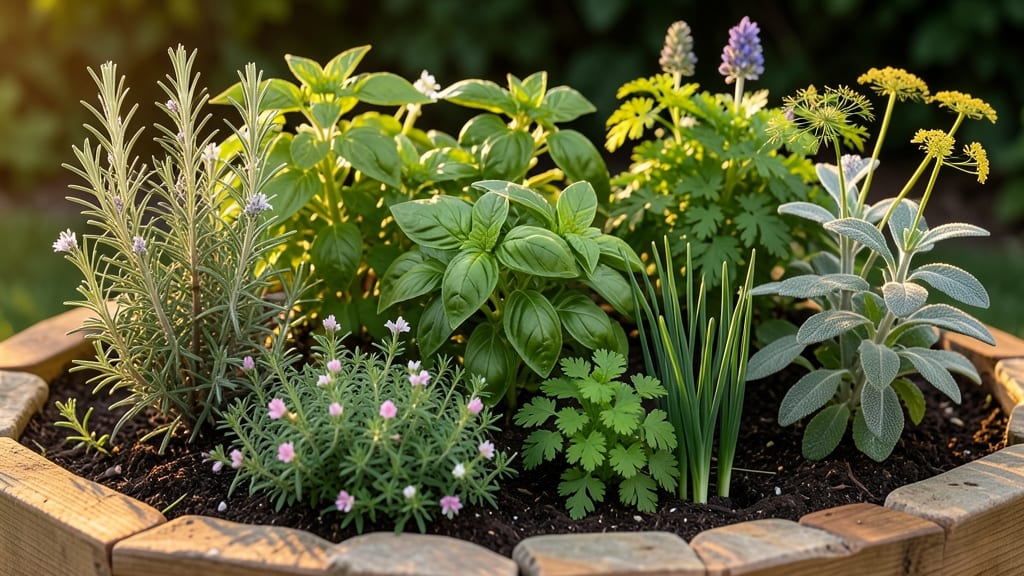
Planting herbs in the garden is the fastest way to turn your outdoor space into a fragrant, flavor-packed haven—no green thumb required.
Picture this: snipping fresh basil for your summer pasta, harvesting mint for cocktails, or plucking rosemary for roasted potatoes straight from your backyard. These fast-growing plants don’t just add beauty—they bring year-round harvests with minimal effort, making them perfect for beginners and seasoned gardeners alike.
From sun-loving rosemary to shade-tolerant parsley, the right herbs thrive in nearly any climate, bolstering both your kitchen and wellness routine. Whether you’re growing in pots or directly in the soil, these 10 top picks deliver flavor, fragrance, and even medicinal benefits with surprisingly little maintenance.
In this guide, I’ll break down the best herbs to plant, their ideal growing conditions, and pro tips to keep them thriving—so you can enjoy fresh, homegrown goodness in just 60 days or less.
Top 10 fast-growing herbs for year-round garden harvests
If you're dreaming of a garden that delivers fresh flavors and aromas without demanding endless hours of care, you're in the right place. These fast-growing herbs thrive in USDA zones 5-10 and deliver continuous harvests with minimal fuss.
Whether you're a beginner or seasoned gardener, these picks will keep your kitchen stocked and your garden vibrant year-round.
I've handpicked these herbs based on their growth speed, adaptability, and ease of care. From sun-loving powerhouses to shade-tolerant workhorses, this list covers all the essentials for a productive herb garden.
The best part? Many of these can be harvested within 4-6 weeks of planting, giving you quick rewards for your efforts.
For visual reference, here's a quick comparison of the top performers:
| Herb | Growth Speed | Sunlight Needs | Planting Time | Harvest Window |
|---|---|---|---|---|
| Basil | 3-4 weeks | Full sun (6+ hrs) | Spring-Fall | Summer-Fall |
| Cilantro | 4-6 weeks | Partial shade | Spring-Fall | Early Summer |
| Mint | 4-6 weeks | Partial shade | Spring-Fall | Summer-Fall |
| Chives | 6-8 weeks | Full sun | Spring | Year-round |
| Parsley | 6-8 weeks | Partial shade | Spring-Fall | Summer-Fall |
| Dill | 6-8 weeks | Full sun | Spring-Fall | Summer-Fall |
| Thyme | 8-10 weeks | Full sun | Spring-Fall | Year-round |
| Oregano | 8-10 weeks | Full sun | Spring-Fall | Year-round |
| Rosemary | 10-12 weeks | Full sun | Spring | Summer-Fall |
| Lavender | 10-12 weeks | Full sun | Spring | Summer-Fall |
Let's start with the fastest growers—basil and cilantro. These two are my go-to choices for quick harvests. Basil thrives in full sun and can be ready for your first harvest in just 3-4 weeks.
It's perfect for pesto, salads, and Italian dishes. Meanwhile, cilantro prefers partial shade and grows just as quickly, making it ideal for salsas and garnishes.
For year-round harvesting, chives and thyme are unbeatable. Chives regrow after each cut and can be
How to maximize growth: planting tips for fast herb harvests
Want to turn your garden into a herb-growing powerhouse with minimal effort? The secret lies in smart planting techniques that accelerate growth and prevent common issues like bolting.
Whether you have a sprawling backyard or just a sunny windowsill, these proven strategies will help you harvest fresh herbs faster than ever.
Start with rich, well-draining soil—herbs like basil and cilantro thrive when planted in loose soil mixed with compost. Avoid heavy clay, which can suffocate roots and slow growth. For containers, use a lightweight potting mix with perlite to improve drainage. This simple step can double your harvest time.
🌱
Don’t overlook the power of companion planting. Some herbs naturally repel pests or improve growth when paired with others. For example, planting basil near tomatoes can enhance flavor while deterring flies. Similarly, marigolds planted alongside parsley act as a natural pest barrier, reducing the need for chemical interventions.
If you’re working with limited space, container gardening is your best friend. Use deep pots (at least 6 inches) for herbs like dill or fennel, which have long taproots.
Group herbs with similar watering needs together to simplify care. For instance, thyme and rosemary both prefer drier conditions, while mint and cilantro need more frequent watering.
To prevent bolting—when herbs prematurely flower and become bitter—keep them well-watered and avoid letting soil dry out completely. For heat-sensitive herbs like cilantro, provide afternoon shade during hot summers. Mulching around plants helps retain moisture and regulate soil temperature, creating an ideal environment for steady growth.
🌿